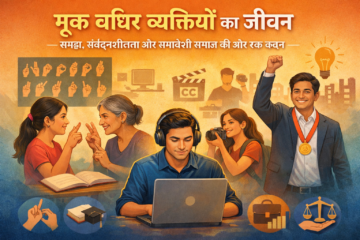
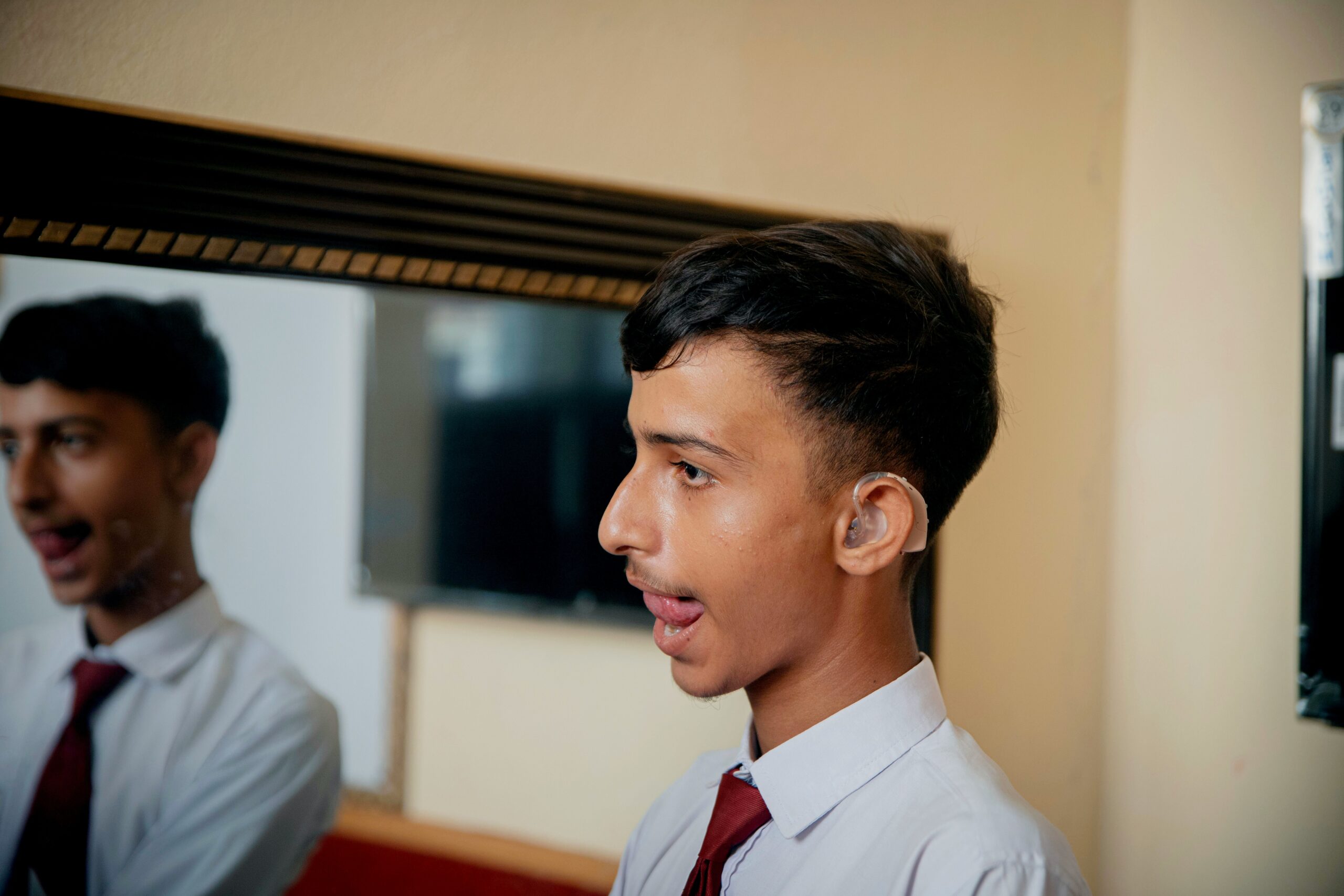
Discover the real life, challenges, abilities, and rights of deaf mute individuals. Learn about communication methods, education, career opportunities, and how society can create a more inclusive environment Understanding the Life.
When we talk about inclusion and diversity, one important community that often remains misunderstood is the deaf mute community. Many people assume that deaf mute individuals are limited in their abilities, but in reality, they possess incredible strength, intelligence, creativity, and determination Understanding the Life.
In this blog, we will explore who deaf mute individuals are, how they communicate, the challenges they face, and how society can support and empower them in meaningful ways.
Who Are Deaf Mute Individuals?
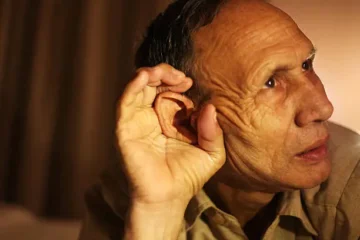
The term “deaf mute” traditionally refers to individuals who cannot hear (deaf) and may not speak (mute). However, it is important to understand that not all deaf individuals are mute. Many deaf people can speak, while some may choose to communicate primarily through sign language.
Hearing and speech are closely connected. Understanding the Life When a person is born deaf or loses hearing at an early age, learning spoken language becomes more difficult without proper support and training. This is why some deaf individuals may not develop verbal speech.
Today, more respectful terms such as “deaf,” “hard of hearing,” or “non-verbal” are widely preferred. Awareness about correct terminology is part of building an inclusive society.
How Do Deaf Mute People Communicate?
Communication is not limited to spoken words. Deaf mute individuals use various powerful and expressive communication methods:
1. Sign Language
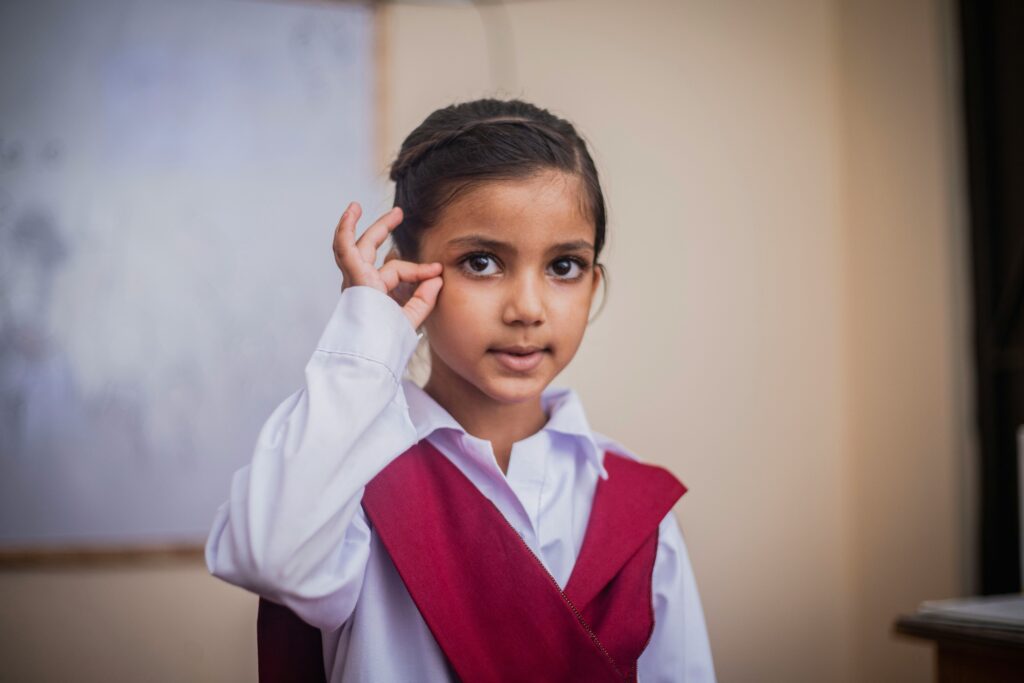
Sign language is a complete and structured language that uses hand gestures, facial expressions, and body movements. Understanding the Life Every country has its own version, such as American Sign Language (ASL) or Indian Sign Language (ISL).
Sign language is not just gestures — it has grammar, sentence structure, and cultural identity.
2. Lip Reading
Some deaf individuals learn to read lips by observing mouth movements while someone speaks.
3. Written Communication
Text messaging, writing notes, emails, and digital platforms make communication easier today than ever before Understanding the Life.
4. Assistive Technology
Modern technology has created powerful tools like:
- Hearing aids
- Cochlear implants
- Speech-to-text apps
- Video relay services
Technology has significantly reduced communication barriers.
Common Challenges Faced by Deaf Mute Individuals
Although the world is progressing, deaf mute individuals still face several challenges:
1. Communication Barriers
Many public places do not provide sign language interpreters. Hospitals, government offices, and schools may lack proper accessibility.
2. Education Gaps
Not all schools are equipped with trained special educators. Inclusive education systems are still developing in many countries.
3. Employment Discrimination
Some employers hesitate to hire deaf individuals due to misconceptions about productivity and communication.
4. Social Isolation
Lack of awareness can lead to social exclusion, bullying, or emotional distress.
These challenges are not due to disability, but due to lack of societal support.
Strengths and Talents of Deaf Mute Individuals
It is essential to Understanding the Life shift the focus from limitations to strengths. Deaf mute individuals often develop:
- Strong visual observation skills
- High concentration levels
- Creative thinking abilities
- Strong body language communication
Many deaf individuals have excelled in art, sports, entrepreneurship, education, and technology.
Their achievements prove that Understanding the Life ability is not defined by hearing or speaking — it is defined by opportunity and support.
Education and Career Opportunities
With inclusive policies and modern learning tools, deaf individuals can pursue almost any career path:
- Graphic design
- Animation and video editing
- Information technology
- Teaching (especially sign language)
- Entrepreneurship
- Government jobs under disability quotas
- Sports and performing arts
Inclusive education, skill development programs, and equal employment opportunities are the keys to empowerment.
Legal Rights and Inclusion
Many countries have disability rights laws that protect deaf individuals from discrimination. Understanding the Life These laws ensure:
- Equal education rights
- Workplace inclusion
- Accessibility in public services
- Reservation in jobs and education
- Protection from discrimination
However, laws alone are not enough. Public awareness and empathy are equally important.
How Society Can Support the Deaf Community
Inclusion begins with simple steps:
Learn Basic Sign Language
Even learning a few basic signs like “thank you,” “help,” or “hello” can make a difference.
Be Patient While Communicating
Maintain eye contact. Speak clearly. Use gestures if needed.
Promote Inclusive Policies
Support organizations working for disability rights and accessibility.
Avoid Stereotypes
Do not assume that deaf individuals are less capable. Treat them with respect and equality.
Small actions create big change.
The Role of Technology in Empowerment
Technology is transforming the lives of deaf mute individuals:
- Live captioning tools
- AI-based speech recognition
- Video calling with sign language
- Online education platforms
Digital inclusion is becoming a powerful equalizer. The more accessible technology becomes, the more independent individuals can live.
Changing the Narrative: From Sympathy to Empowerment
Deaf mute individuals do not need sympathy. They need opportunity, accessibility, and respect.
The real disability lies in barriers created by society, not in the individual. When we remove communication barriers and create inclusive environments, we unlock potential that benefits everyone.
Inclusion is not charity — it is equality.
Conclusion
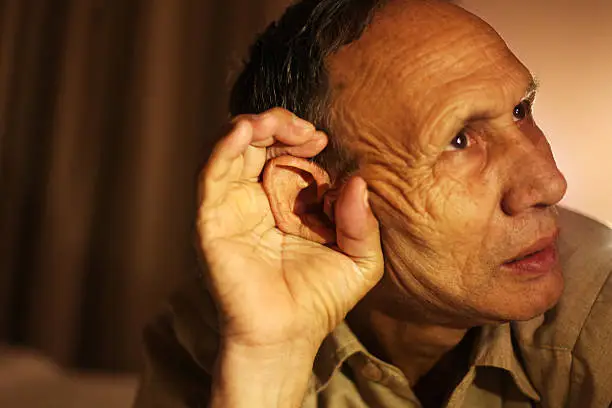
Understanding deaf mute individuals is not just about learning what challenges they face — it is about recognizing their strength, talent, and resilience.
A truly progressive society is one where every individual, regardless of hearing or speech ability, has equal access to education, employment, and dignity.
Let us move forward with awareness, empathy, and action.
Because communication is not just about sound — it is about connection.