

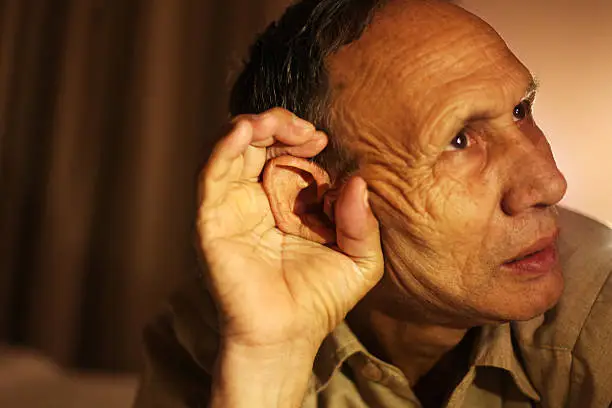
Learn about mild hearing loss, its early symptoms, causes, diagnosis, and effective treatment options. Discover how to manage hearing health Mild Hearing Loss: Symptoms, Causes, Diagnosis & Treatment.
Hearing plays a vital role in how we communicate, connect, and navigate daily life. Yet many people experience mild hearing loss without even realising it. Because the changes are subtle, this condition often goes unnoticed until communication difficulties begin to interfere with work, relationships, and quality of life. Mild Hearing Loss: Symptoms, Causes, Diagnosis & Treatment Options Mild Hearing Loss: Symptoms, Causes, Diagnosis & Treatment
The good news? When identified early, mild hearing loss can be effectively managed.
This comprehensive guide explains everything you need to know.
What is Mild Hearing Loss?
Mild hearing loss refers to a slight reduction in hearing ability, typically defined as difficulty hearing sounds between 26–40 decibels (dB).
In simple terms, a person with mild hearing loss may:
✔ Hear most conversations
✔ Struggle with soft sounds
✔ Miss parts of speech
✔ Have trouble in noisy places
Because hearing is not completely impaired, individuals often assume others are “mumbling” rather than recognising a hearing issue.
Common Signs & Symptoms



4
Mild hearing loss can present subtly. Typical signs include:Mild Hearing Loss: Symptoms, Causes, Diagnosis & Treatment
🔹 Difficulty Hearing Soft Sounds
Whispers, low-volume speech, or distant sounds become harder to detect.
🔹 Frequently Asking for Repetition
“Sorry?”
“Can you say that again?”
🔹 Trouble Understanding Speech in Noise
Restaurants, meetings, traffic, and gatherings become challenging.
🔹 Turning Up Volume
TV, phone, or music volume gradually increases.
🔹 Feeling Others Are Mumbling
Speech clarity seems reduced.
🔹 Listening Fatigue
Concentrating to hear becomes exhausting.
Causes of Mild Hearing Loss
Hearing loss can develop for various reasons.
1️⃣ Age-Related Hearing Changes (Presbycusis)
Even early stages of ageing can affect:
- High-frequency sounds
- Speech clarity
- Sound sensitivity
2️⃣ Noise Exposure


4
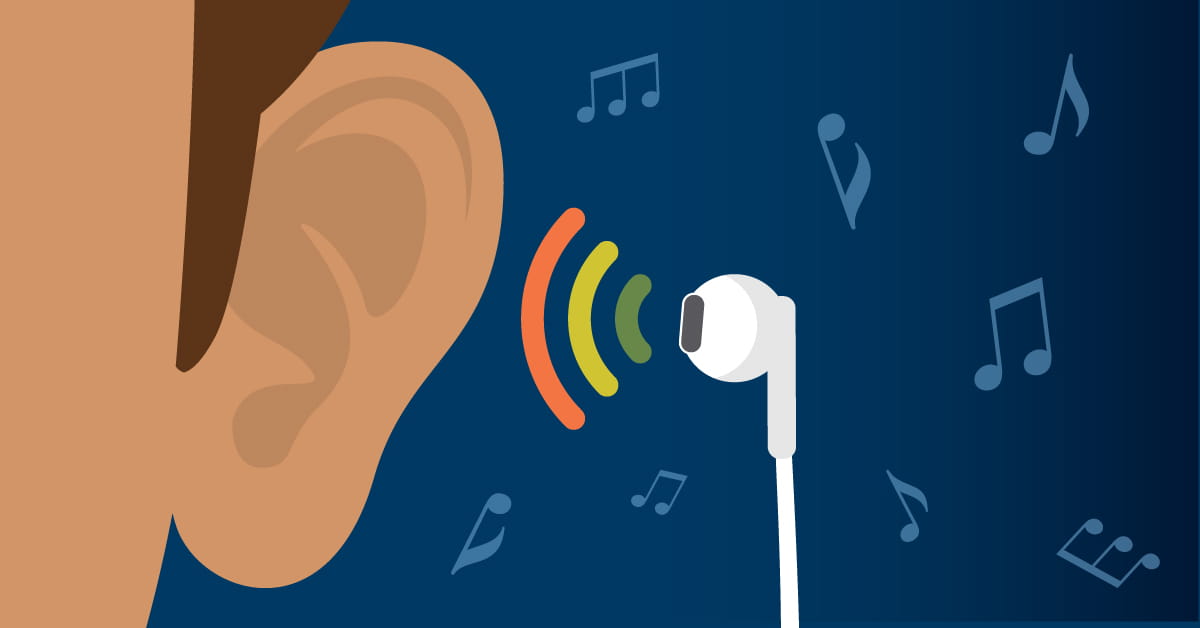
Repeated exposure to loud sounds:
🔊 Concerts
🔊 Traffic
🔊 Machinery
🔊 Headphones at high volume
can damage delicate hair cells in the inner ear.
3️⃣ Ear Infections
Temporary or recurring infections may affect hearing sensitivity.
4️⃣ Earwax Blockage
Excessive earwax can reduce sound transmission.
5️⃣ Genetic Factors
Some individuals are predisposed to hearing loss.
6️⃣ Medical Conditions
- Diabetes
- Cardiovascular disease
- Autoimmune disorders
7️⃣ Medications (Ototoxic Drugs)
Certain drugs may impact hearing.
Why Mild Hearing Loss is Often Ignored
Because hearing is not completely lost, many people:
❌ Dismiss symptoms
❌ Blame background noise
❌ Assume stress or distraction
❌ Delay hearing tests
Unfortunately, untreated mild hearing loss can worsen over time.
Diagnosis of Mild Hearing Loss
Early detection is key.
✔ Hearing Evaluation


4
An audiologist or ENT specialist may perform:
✔ Pure-tone audiometry
✔ Speech testing
✔ Tympanometry
✔ Physical ear examination Mild Hearing Loss: Symptoms, Causes, Diagnosis & Treatment Options
✔ Audiogram
Results are plotted on an audiogram showing hearing thresholds.
✔ Self-Assessment
If you notice frequent communication difficulties, testing is recommended.
Impact of Mild Hearing Loss
Though labelled “mild,” the effects can be significant.
🔹 Communication Difficulties
Missing parts of conversations leads to misunderstandings.
🔹 Social Withdrawal
Avoiding gatherings due to listening difficulty.
🔹 Workplace Challenges
Meetings and phone calls become stressful.
🔹 Listening Fatigue
Mental exhaustion from constant concentration.
🔹 Emotional Effects
💭 Frustration
💭 Embarrassment
💭 Anxiety
💭 Reduced confidence
🔹 Cognitive Load
Research suggests untreated hearing loss increases brain strain.Mild Hearing Loss: Symptoms, Causes, Diagnosis & Treatment
Treatment & Management Options
The encouraging news — mild hearing loss is manageable.
1️⃣ Hearing Aids
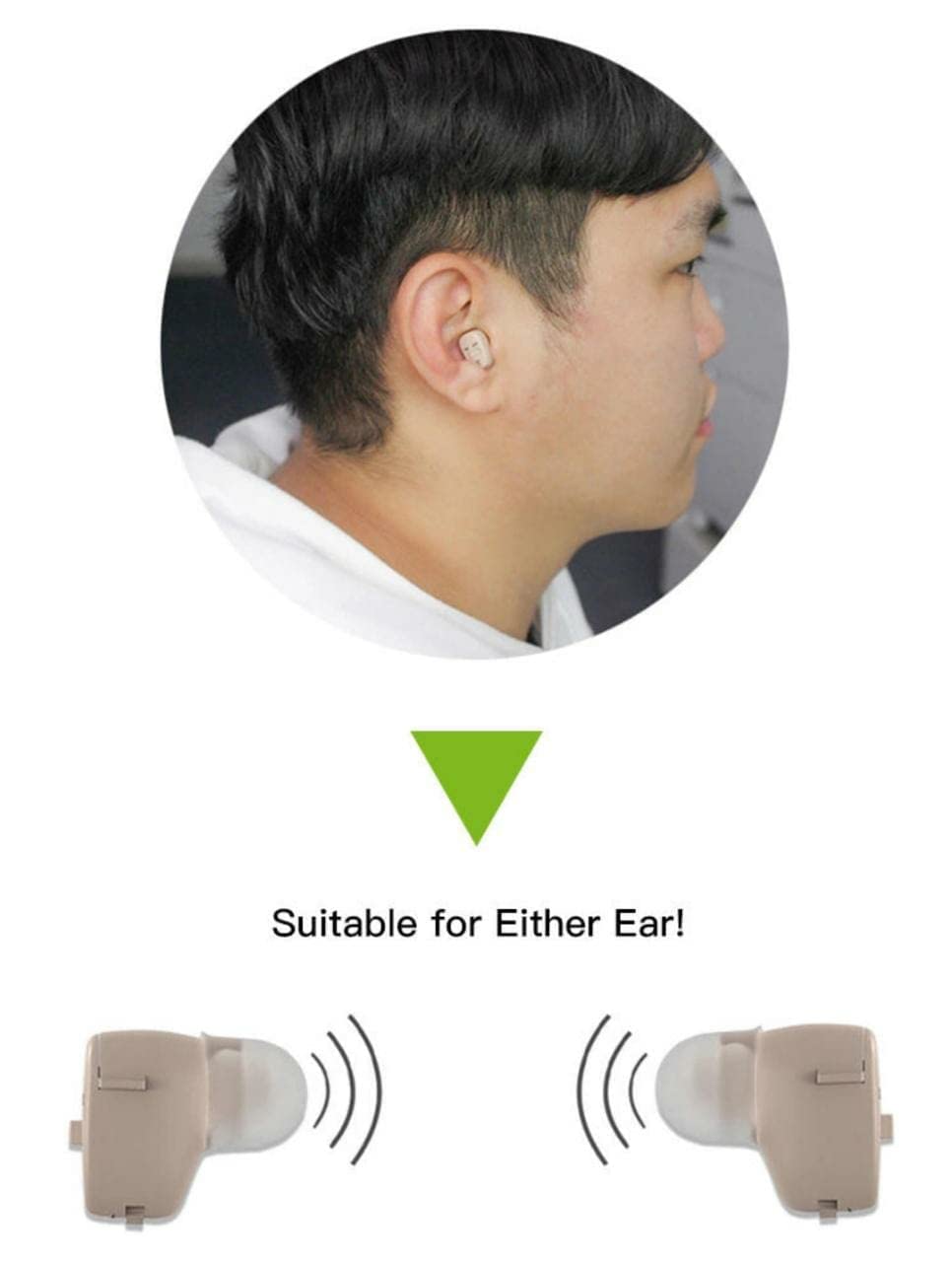
4
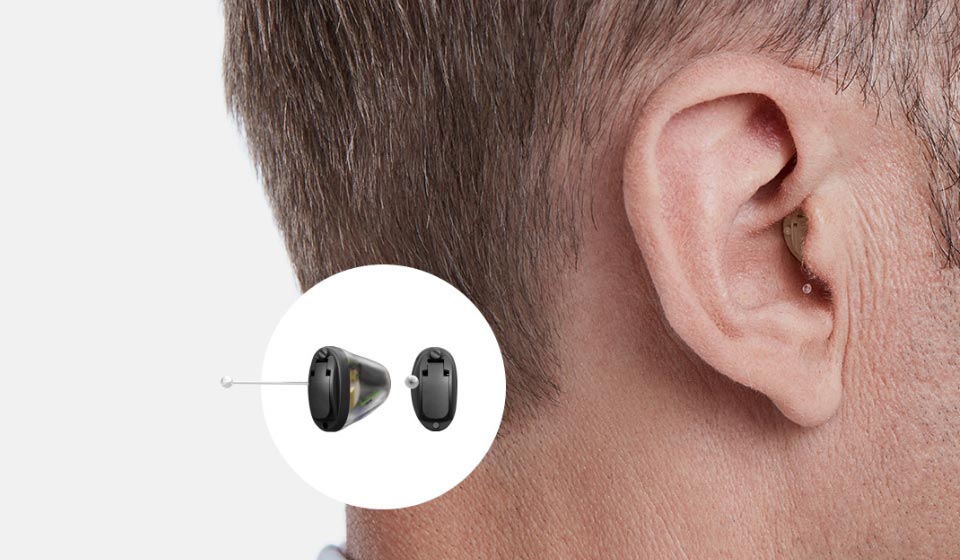
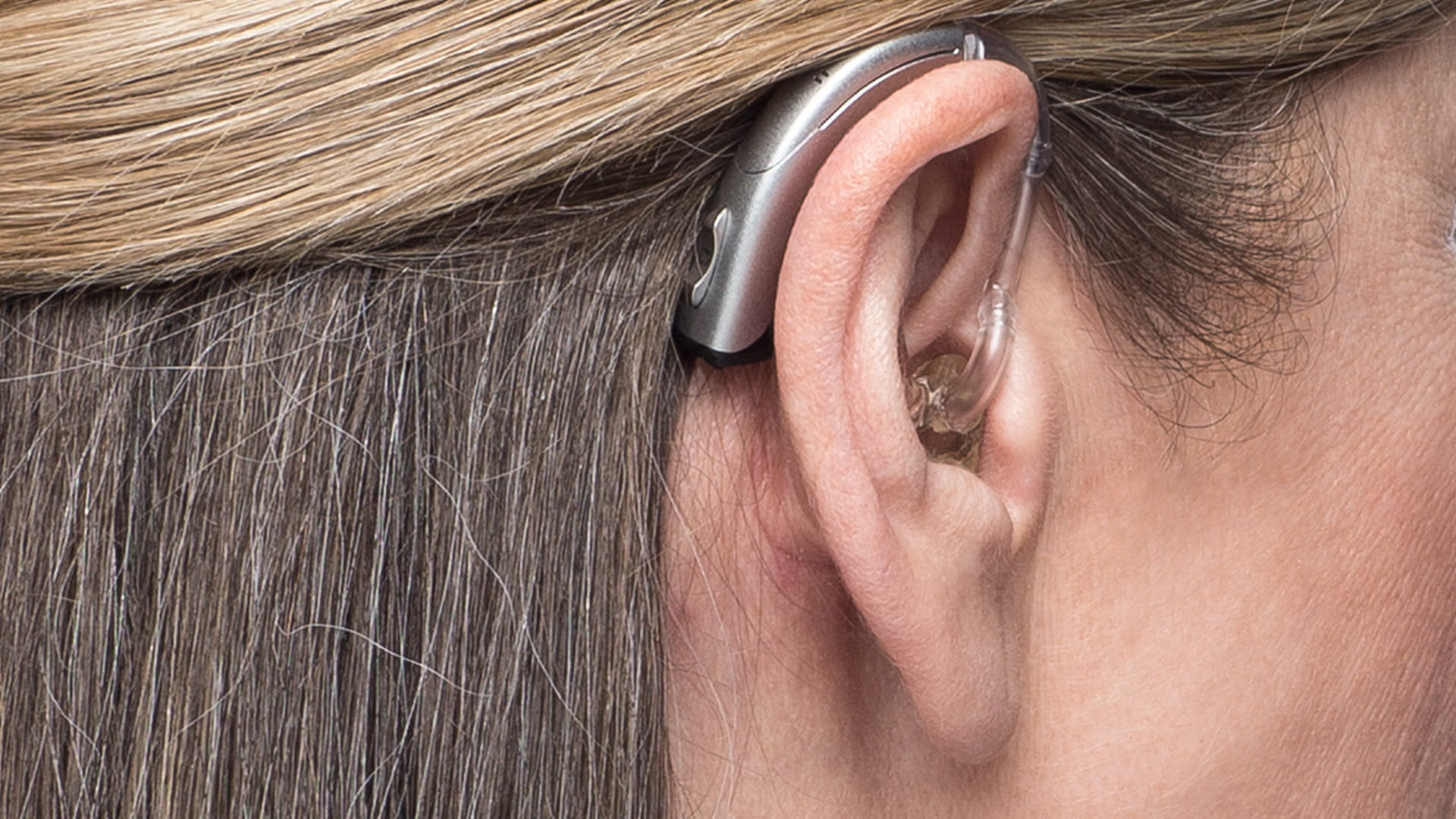
Modern hearing aids are:
✔ Small & discreet
✔ Highly advanced
✔ Bluetooth-enabled
✔ Noise-filtering
They amplify sounds selectively, not just overall volume.
2️⃣ Assistive Listening Devices
- TV amplifiers
- Phone amplifiers
- FM systems
3️⃣ Communication Strategies
✔ Face the speaker
✔ Reduce background noise
✔ Ask for clear speech
✔ Use visual cues
4️⃣ Earwax Removal
Simple and effective if blockage exists.
5️⃣ Medical Treatment
For infections or underlying conditions.
6️⃣ Hearing Protection
Prevent further damage:
✔ Earplugs
✔ Noise-cancelling headphones
✔ Volume control
Can Mild Hearing Loss Be Reversed?
It depends on the cause.
| Cause | Reversible? |
|---|---|
| Earwax | ✅ Often reversible |
| Infection | ✅ Sometimes |
| Noise damage | ❌ Usually permanent |
| Age-related | ❌ Progressive |
Even when not reversible, it is highly manageable.
Prevention Tips
Protecting hearing is easier than restoring it.
✔ Manage Volume
🔉 Follow 60/60 rule for headphones.
✔ Use Hearing Protection
In noisy environments.
✔ Limit Noise Exposure
Avoid prolonged loud sound exposure.
✔ Maintain Ear Hygiene
But avoid over-cleaning.
✔ Regular Hearing Checks
Especially after age 30–40 or noise exposure.
✔ Healthy Lifestyle
Good circulation supports hearing health.
When to See a Doctor
Consult a professional if you experience:
⚠ Persistent hearing difficulty
⚠ Sudden hearing change
⚠ Ringing in ears (tinnitus)
⚠ Ear pain or discharge
⚠ Speech clarity issues
Myths About Mild Hearing Loss
| Myth | Fact |
|---|---|
| It’s not serious | Early care prevents worsening |
| Only older people affected | Young adults also at risk |
| Hearing aids are bulky | Modern devices are sleek |
| It will fix itself | Rarely without treatment |
Living Well With Mild Hearing Loss
With proper management:
✨ Conversations improve
✨ Confidence returns
✨ Fatigue reduces
✨ Social life strengthens
✨ Work performance improves
Early action changes outcomes dramatically.
Conclusion
Mild hearing loss may begin quietly, but ignoring it can lead to larger communication and health challenges. Awareness, early diagnosis, and modern treatment options make it possible to maintain excellent quality of life.
If you suspect even slight hearing difficulty, a hearing test is a smart and proactive step.