


Can a Deaf person speak? Learn how Deaf but Speaking individuals communicate, challenges they face, speech development, myths, and inclusion strategies.Deaf but Speaking: Understanding Hearing Loss
When people hear the word “Deaf,” many automatically assume an inability to speak. This widespread misconception has shaped social attitudes for decades. In reality, many Deaf individuals can and do speak clearly.
Being “Deaf but Speaking” simply means that a person has hearing loss while still using spoken language as a primary or secondary mode of communication.
Understanding this distinction is essential for building awareness, reducing stigma, and promoting meaningful inclusion.
What Does “Deaf but Speaking” Mean?
A Deaf but Speaking individual:
✔ Has partial or profound hearing loss
✔ Uses spoken language to communicate
✔ May rely on lip reading, residual hearing, or technology
✔ May also use sign language Deaf but Speaking: Understanding Hearing Loss
Speech ability is influenced by multiple factors — not just hearing level.
Breaking the Common Stereotype
❌ Myth: Deaf people cannot speak
✅ Reality: Many Deaf individuals speak fluently
Speech and hearing are related but not identical abilities. A person may lose hearing yet retain speech.
How Can a Deaf Person Speak?
Speech development depends on:
1️⃣ Onset of Hearing Loss
🔹 Post-Lingual Deafness
Occurs after speech development.
✔ Speech usually remains intact
✔ Voice quality often preservedDeaf but Speaking: Understanding Hearing Loss
✔ Communication adaptation required
🔹 Pre-Lingual Deafness
Occurs before speech is learned.
✔ Speech development may require therapy
✔ Early intervention critical
2️⃣ Early Intervention & Training



4
Speech therapy and auditory training help individuals:
✔ Develop pronunciation
✔ Control voice modulation
✔ Improve clarity
✔ Learn breath control
3️⃣ Residual Hearing
Some individuals retain partial hearing, aiding speech monitoring.
4️⃣ Assistive Technology
- Hearing aids
- Cochlear implants
- Speech feedback tools
5️⃣ Lip Reading & Visual Feedback
Visual cues support speech accuracy.Deaf but Speaking: Understanding Hearing Loss
Communication Methods Used


4
Deaf but Speaking individuals often use a mix of:
✔ Spoken Language
Primary communication mode.
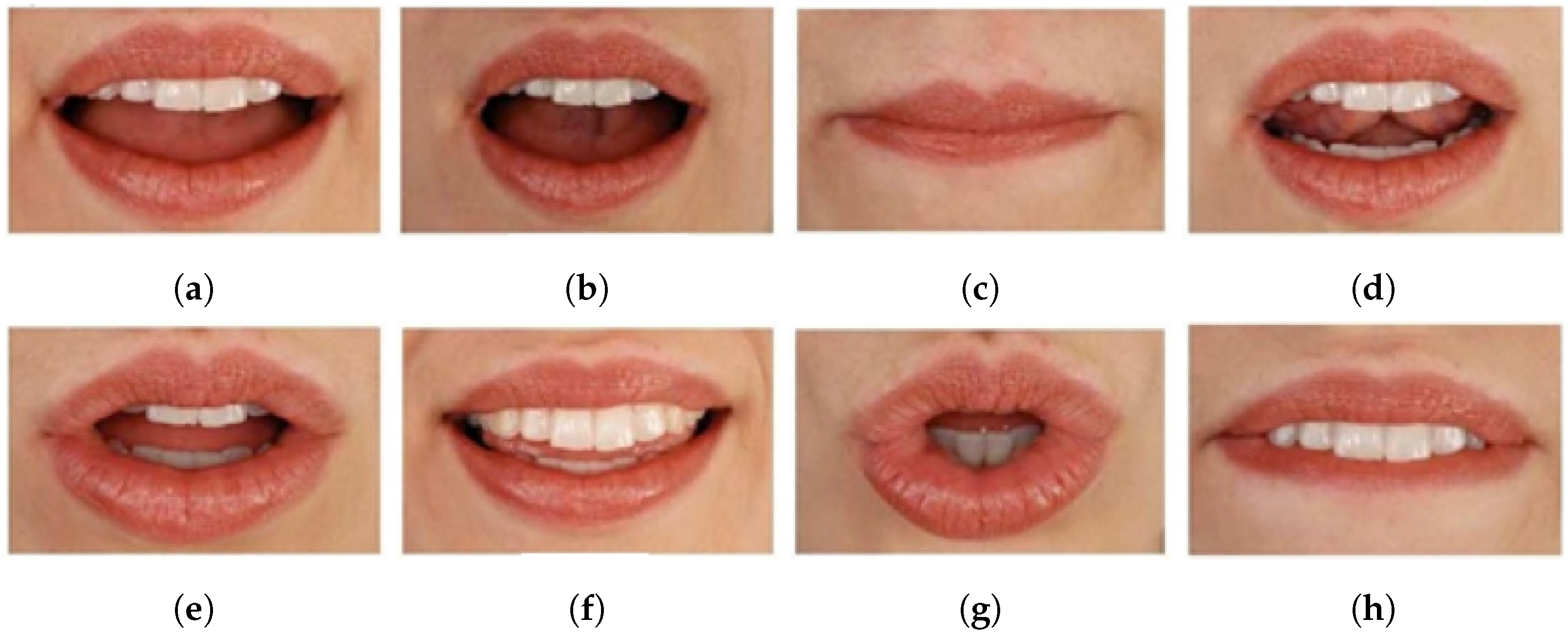
✔ Lip Reading (Speech Reading)
Observing lip movements to interpret speech.
✔ Sign Language
Some individuals are bilingual (spoken + sign).
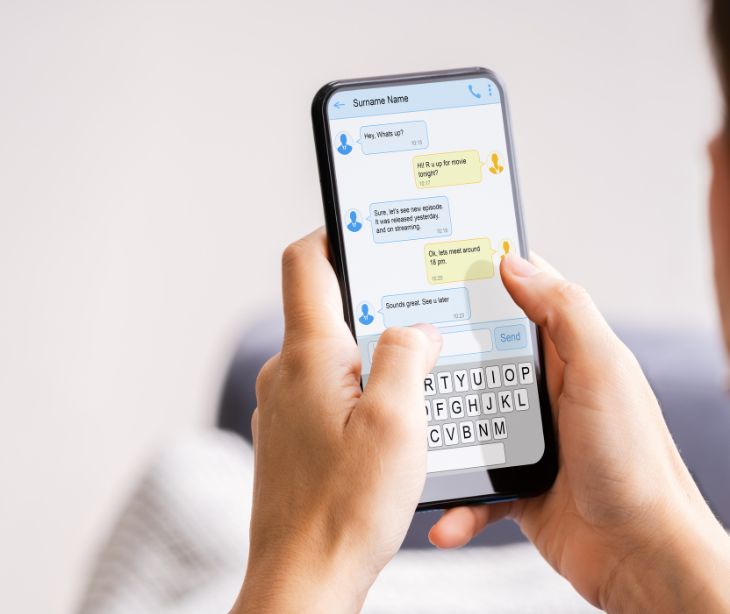
✔ Written / Text Communication
Chat, email, notes.
✔ Assistive Listening Technology
Amplification and clarity tools.
Challenges Faced by Deaf but Speaking Individuals
Despite speech ability, challenges remain.
🔹 Misunderstanding & Assumptions
People may say:
❌ “But you don’t look Deaf.”
❌ “If you can speak, your hearing must be fine.”
This invalidates lived experiences.
🔹 Listening Fatigue
Constant concentration leads to exhaustion.
🔹 Difficulty in Noisy Environments
Background noise interferes with speech clarity.
🔹 Phone Communication Difficulties
Without visual cues, understanding becomes harder.
🔹 Workplace Barriers
- Meetings without captions
- Rapid conversations
- Lack of accommodations
🔹 Emotional Impact
💭 Frustration
💭 Anxiety
💭 Feeling misunderstood
💭 Social withdrawal
Myths vs Reality
| Myth | Reality |
|---|---|
| Deaf people cannot speak | Many speak fluently |
| Speaking means normal hearing | Hearing loss still exists |
| No communication issues | Barriers remain |
| Hearing aids “fix” everything | They assist, not cure |
Education & Speech Development


4
✔ Early Childhood Support
Critical for speech outcomes:
✔ Hearing screening
✔ Therapy
✔ Family involvement
✔ Language exposure
✔ Mainstream Education
With accommodations:
- Captioning
- Note support
- Assistive devices
✔ Specialised Programs
Speech + auditory training.
Technology’s Role
Modern innovations empower communication:
💡 Digital hearing aids
💡 Cochlear implants
💡 Speech training apps
💡 Live captions
💡 AI speech-to-text
💡 Video relay services
Social Experiences
A Deaf but Speaking person may experience:
✔ Inclusion in conversations
✔ Yet hidden listening struggles
✔ Pressure to “pass as hearing”
✔ Anxiety in group settings
Hearing loss is often invisible.
Workplace Inclusion Strategies
Employers can help by:
✔ Providing Accessibility
✔ Captioned meetings
✔ Clear communication
✔ Written follow-ups
✔ Visual presentations
✔ Encouraging Awareness
Disability sensitivity training.
✔ Focusing on Ability
Skills over assumptions.
How to Communicate Effectively
If interacting with a Deaf but Speaking person:
💙 Face them while speaking
💙 Speak clearly, not loudly
💙 Avoid covering your mouth
💙 Reduce background noise
💙 Be patient
💙 Rephrase if needed
Psychological & Emotional Considerations
Constantly managing communication may lead to:
- Stress
- Fatigue
- Identity conflicts
- Feeling “not Deaf enough / not hearing enough”
Support and validation are vital.
Identity & Diversity
Not all Deaf but Speaking individuals identify the same way:
✔ Some identify culturally Deaf
✔ Some medically Deaf
✔ Some Hard of Hearing
✔ Some bilingual (speech + sign)
Identity is personal.
Respectful Language Reminder
Prefer:
✔ Deaf person
✔ Hard of hearing person
✔ Deaf but Speaking individual
Avoid outdated labels.
Strengths Often Overlooked
Deaf but Speaking individuals often develop:
✨ Strong visual awareness
✨ Adaptability
✨ Focused attention
✨ Communication creativity
✨ Problem-solving skills
✨ Resilience
🗣 Speech & Communication


4
💼 Workplace Inclusion


4