

Explore how deaf mute individuals redefine communication, relationships, education, and career success. Redefine Communication and Success Learn about their strengths, social challenges, and how inclusion creates equal opportunities.
In a world filled with constant noise, we often assume that sound is necessary for success. But deaf mute individuals prove something powerful — communication is not about sound, it is about understanding Redefine Communication and Success.
The deaf mute community represents resilience, adaptability, and silent strength. Their lives teach us that limitations are often created by society, not by ability. This article explores how deaf mute individuals redefine communication, relationships, education, and Redefine Communication and Success.

Understanding Deaf Mute: Beyond the Label
The term “deaf mute” is commonly used to describe individuals who cannot hear and may not speak. However, many people misunderstand this condition.
Some individuals are born deaf, while others may lose hearing later due to illness, injury, or genetic conditions. When hearing is affected from birth, speech development can also be impacted Redefine Communication and Success. But this does not mean a person lacks intelligence, creativity, or capability.
Today, many prefer the term “deaf” rather than “deaf mute,” as it focuses on hearing ability rather than speech limitations. Language matters, and respectful terminology is part of inclusion.
Communication Without Sound: A Different Kind of Power
Deaf mute individuals communicate in ways that are expressive, visual, and deeply meaningful.
Sign Language as Identity
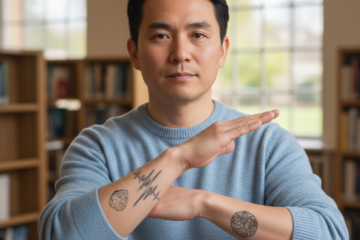
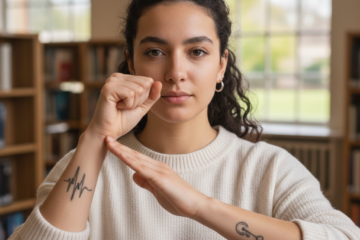
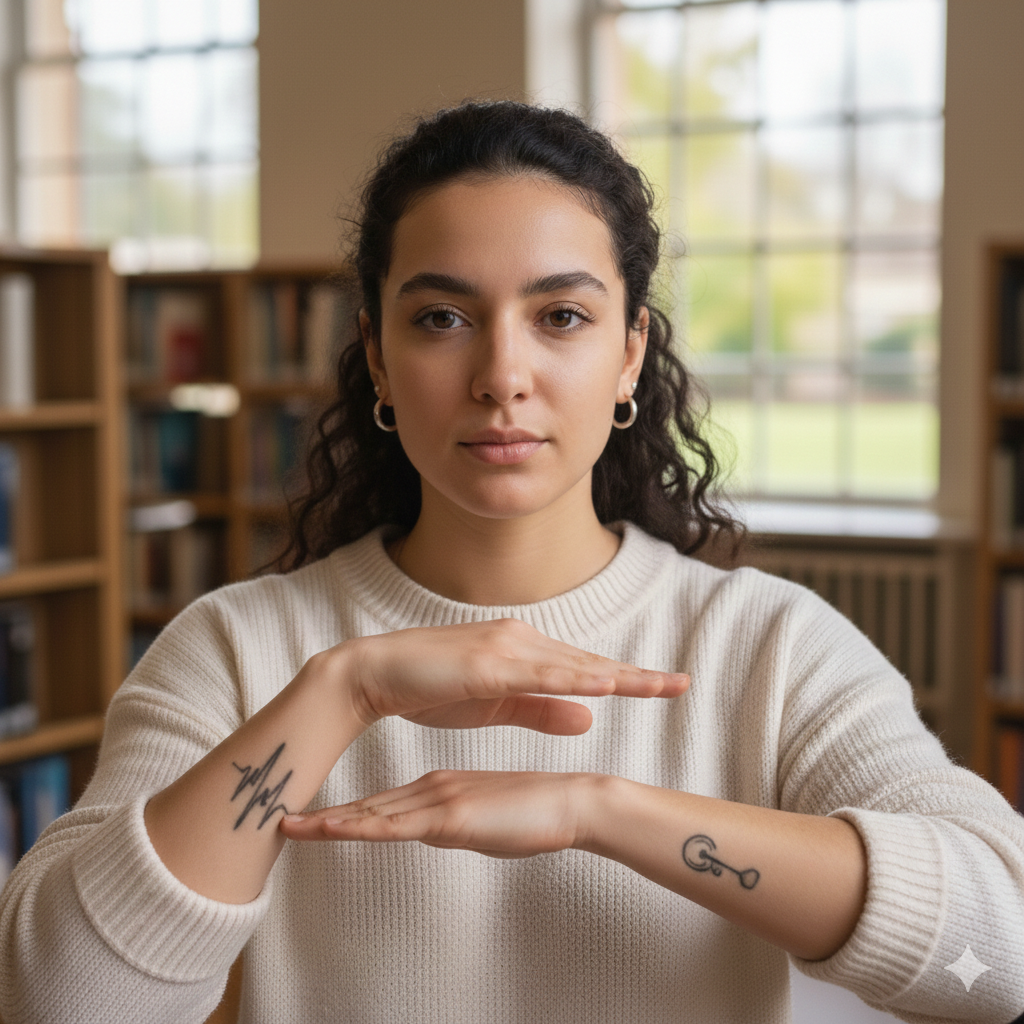
Sign language is not simply hand movement — it is a complete language with grammar and emotion. Facial expressions play a crucial role. Redefine Communication and Success Body language adds depth. It is fast, beautiful, and expressive.
For many deaf individuals, sign language is not just communication — it is cultural identity.
Visual Intelligence
Because hearing is limited, visual awareness often becomes stronger. Many deaf individuals develop excellent observation skills and sharp attention to detail Redefine Communication and Success.
This strength often helps in creative fields like:
- Design
- Photography
- Animation
- Video production
- Fine arts

Emotional Strength and Mental Resilience
Living in a sound-dominated society requires emotional resilience. Deaf mute individuals often grow up navigating misunderstandings, communication gaps, and social barriers Communication and Success.
Over time, they develop:
- Strong problem-solving skills
- Emotional maturity
- Independence
- Adaptability
These qualities become powerful life advantages.
Education: Breaking the Silence in Classrooms
Inclusive education is essential for empowering Redefine Communication and Success deaf students. Unfortunately, not all schools are equipped with:
- Sign language interpreters
- Visual learning materials
- Trained special educators
However, progress is happening. Many institutions now support:
- Captioned video lectures
- Digital note-sharing platforms
- Inclusive classroom models
Education is not about hearing the lesson — it is about understanding it.
Career Possibilities: No Limits, Only Opportunities
One of the biggest myths is that deaf mute individuals have limited career options. In reality Redefine Communication and Success , they can excel in almost every field with the right support.
Common career paths include:
- Information Technology
- Graphic Design
- Digital Marketing
- Data Entry and Analysis
- Government Services
- Entrepreneurship
- Sports and Fitness
Remote work and digital platforms have created even more opportunities. Communication barriers are decreasing due to chat tools, video captions, and assistive software.
Redefine Communication and Success Talent does not depend on hearing ability — it depends on opportunity.
Technology: A Game Changer
Modern technology has transformed the lives of deaf mute individuals.
Some powerful tools include:
- Real-time speech-to-text apps
- Video calling with sign language support
- AI-based captioning tools
- Hearing devices and cochlear implants
Smartphones, messaging apps, and email allow smooth communication in workplaces and social settings.
Technology is creating independence.
Social Challenges: What Still Needs to Change
Despite progress, challenges remain.
Lack of Awareness
Many people still do not know basic sign language or how to communicate respectfully.
Workplace Bias
Some employers wrongly assume deaf individuals cannot handle responsibility.
Public Accessibility
Not all public spaces provide visual alerts, captions, or interpreter services.
The biggest barrier is not disability — it is lack of awareness.
How You Can Support Deaf Mute Inclusion
Inclusion begins with small actions:
- Learn basic sign language greetings
- Maintain eye contact while communicating
- Be patient and respectful
- Support inclusive hiring practices
- Encourage caption use in meetings and events
When society adapts, everyone benefits.
From Sympathy to Respect
Deaf mute individuals do not need sympathy. They need equality.
Redefine Communication and Success Instead of focusing on what they cannot do, we should focus on what they can do — and often do exceptionally well.
Respect means:
- Equal opportunities
- Equal pay
- Equal education
- Equal dignity
Inclusion is not kindness — it is fairness.
The Silent Lesson We Can Learn
The deaf mute community teaches us something powerful: communication is deeper than sound.
It is about:
- Expression
- Understanding
- Connection
- Empathy
In many ways, deaf individuals remind us to listen more carefully — not with our ears, but with our attention.
Conclusion
The journey of deaf mute individuals is one of silent strength, courage, and determination. Redefine Communication and Success They continue to break barriers in education, careers, and society.
A truly inclusive world is one where accessibility is not an afterthought but a standard practice.
Let us create a society where communication is universal, opportunities are equal, and silence is never mistaken for inability.
Because success does not require sound — it requires belief, support, and opportunity.