
Discover how empowering deaf individuals through education creates equal opportunities, career growth, and social inclusion. Learn practical strategies for accessible learning environments.
Education is the foundation of growth, independence, and opportunity. For deaf individuals, access to quality education is not just important — it is life-changing. When learning environments are inclusive and accessible, they unlock potential that might otherwise remain hidden.
Empowering deaf individuals through education means providing the tools, resources, and support necessary to ensure equal learning opportunities. It is about ability, not disability.
Why Education Is Powerful for Deaf Individuals
Education builds confidence, skills, and independence. However, traditional systems often rely heavily on spoken communication, creating barriers for deaf students.
When educational institutions adapt their teaching methods, they allow deaf learners to:
- Understand concepts clearly
- Participate actively in discussions
- Build social connections
- Develop career-ready skills
- Gain confidence in their abilities
Empowerment begins with access.
Creating Inclusive Classrooms
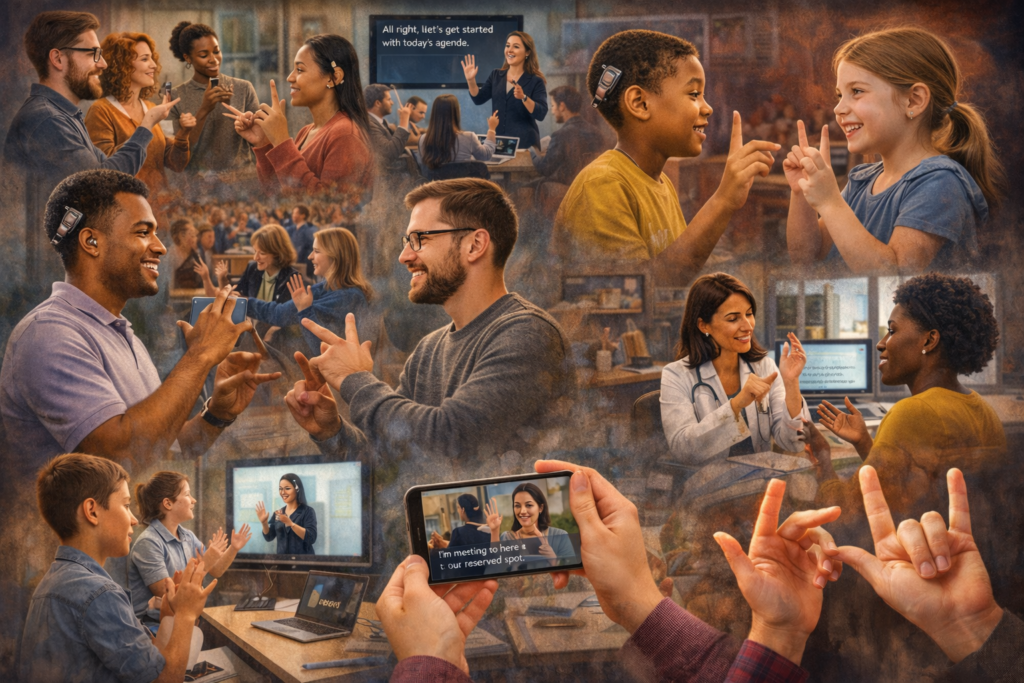
Inclusive classrooms benefit all students, not just those who are deaf. Schools can support empowerment by implementing:
- Sign language interpreters
- Captioned video content
- Visual teaching materials
- Written instructions and notes
- Interactive digital learning tools
Teachers who receive training in inclusive practices create stronger and more supportive learning environments.
Empowering deaf individuals through education requires commitment from both institutions and educators.

The Role of Technology in Education
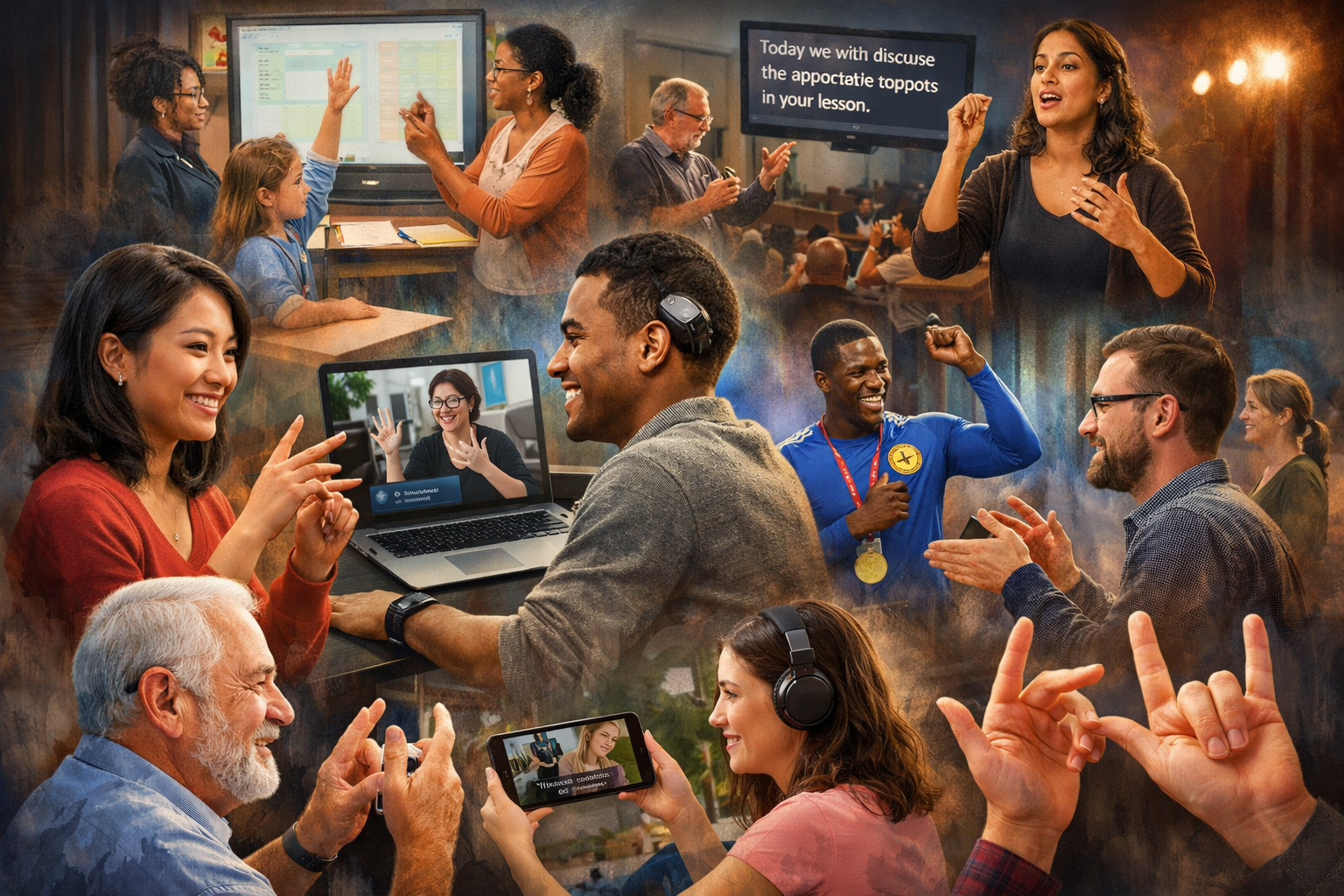
Technology has transformed accessibility in recent years. Digital tools make it easier than ever to create inclusive learning experiences.
Important tools include:
- Real-time speech-to-text applications
- AI-powered subtitles
- Video-based sign language lessons
- Interactive e-learning platforms
- Online chat-based collaboration tools
With these innovations, deaf students can learn independently and confidently.
Higher Education and Career Opportunities
Access to higher education opens doors to professional success. Universities that prioritize accessibility create equal opportunities for deaf students in fields such as:
- Information technology
- Business and entrepreneurship
- Graphic design
- Healthcare
- Digital marketing
Empowering deaf individuals through education ensures that talent is not limited by communication barriers.
Family and Community Support
Family encouragement plays a major role in academic success. When families support learning and promote communication through sign language or written interaction, confidence grows.
Communities can also contribute by:
- Offering inclusive workshops
- Promoting awareness programs
- Supporting accessibility policies
- Encouraging skill development initiatives
Empowerment is a shared responsibility.
Breaking Barriers and Changing Mindsets
Sometimes the biggest barrier is not physical — it is perception. Deaf individuals are often underestimated because of communication differences.
Education helps challenge these misconceptions. When society sees deaf professionals excelling in leadership roles, businesses, and creative industries, outdated stereotypes disappear.
Empowering deaf individuals through education creates long-term social change.
The Future of Inclusive Education
The future of education must prioritize accessibility from the beginning. Schools, universities, and online platforms should design systems that are inclusive by default — not as an afterthought.
By investing in accessible learning tools, teacher training, and supportive environments, we build a society where every individual has the chance to succeed.
Conclusion
Empowering deaf individuals through education is not about special treatment. It is about equal opportunity.
When education systems become accessible, deaf learners gain independence, confidence, and career opportunities. Society benefits from their talent, creativity, and innovation.
Education is the key.
Accessibility is the door.
And empowerment is the result.