


Explore how inclusive communication for the deaf promotes equality, accessibility, and opportunity in education, workplaces, and society. Learn practical ways to support inclusion.
Communication shapes our relationships, careers, and communities. Yet most systems around us are designed primarily for people who can hear. This creates everyday barriers for millions of deaf individuals worldwide.
Inclusive communication for the deaf is not just about adding captions or interpreters. It is about redesigning environments so that communication is accessible, respectful, and equal.
When communication becomes inclusive, society becomes stronger.
What Is Inclusive Communication for the Deaf?
Inclusive communication means ensuring that information is accessible in multiple formats — not just spoken words. It focuses on removing barriers that prevent deaf individuals from fully participating in conversations, education, and professional life.
Inclusive communication includes:
- Sign language interpretation
- Real-time captioning
- Visual presentation of information
- Written communication options
- Assistive technology
The goal is simple: equal understanding.
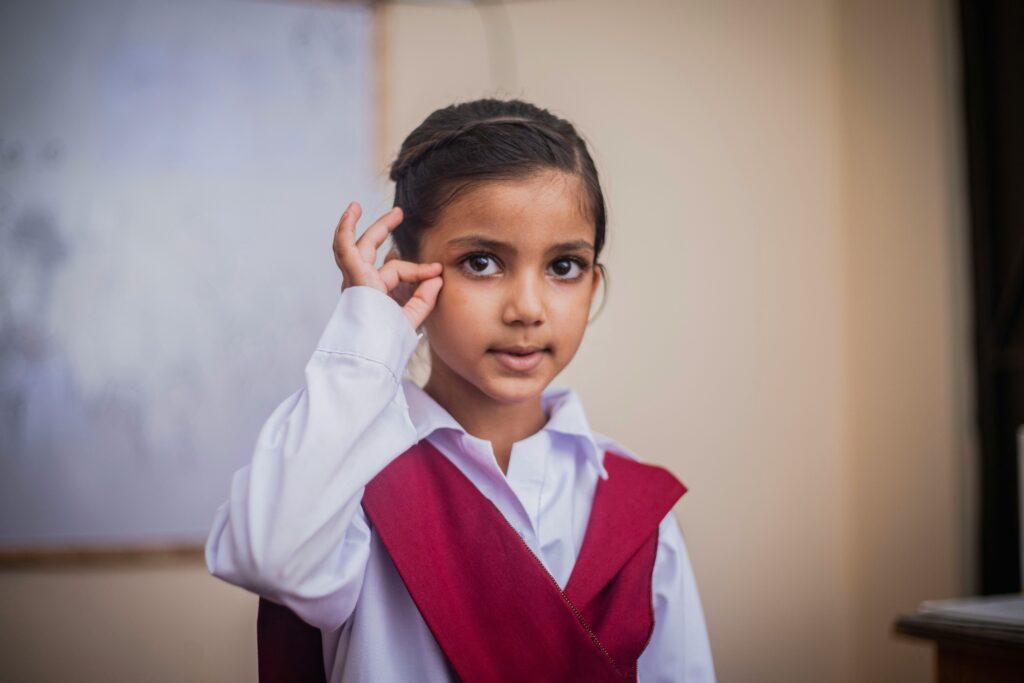
The Importance of Accessibility in Everyday Life
Imagine attending a meeting where everyone speaks but nothing is written. Or sitting in a classroom where lessons depend entirely on lectures without visual aids. For many deaf individuals, this is a daily reality.
Inclusive communication for the deaf ensures access in:
- Schools and universities
- Corporate workplaces
- Public events
- Healthcare facilities
- Government services
Accessibility allows independence and confidence to grow.
Education and Inclusive Learning Environments
Education plays a key role in long-term success. Schools that prioritize inclusive communication for the deaf create better outcomes for all students.
Important strategies include:
- Using visual learning tools
- Providing captioned educational videos
- Encouraging written instructions
- Training teachers in inclusive practices
- Supporting bilingual education with sign language
When deaf students receive equal access to information, academic performance improves and opportunities expand.
Workplace Inclusion and Career Growth
Professional success depends heavily on communication. Modern workplaces are becoming more accessible thanks to digital communication tools such as emails, messaging platforms, and collaborative apps.
Companies that embrace inclusive communication for the deaf often benefit from:
- Increased diversity
- Stronger team collaboration
- Innovative thinking
- Improved problem-solving
Remote work options and digital tools have significantly reduced communication barriers, making professional environments more inclusive than ever before.
Technology Driving Inclusion
Technology has transformed accessibility for the deaf community. From speech-to-text apps to video relay services, digital tools are creating new opportunities.
Key technological advancements include:
- AI-powered captioning
- Smart visual alert systems
- Video conferencing with live subtitles
- Wearable assistive devices
These innovations make inclusive communication for the deaf more practical and widely available.

Breaking Myths and Changing Attitudes
Misunderstandings often create bigger barriers than physical limitations. Some people mistakenly assume that deaf individuals cannot lead teams, communicate effectively, or manage complex tasks.
These assumptions are incorrect.
Deaf professionals excel in leadership, creativity, technology, sports, and entrepreneurship. Their success demonstrates that ability is not defined by hearing.
Promoting inclusive communication for the deaf helps challenge outdated stereotypes and encourages equality.
How Individuals Can Promote Inclusion
Creating inclusive environments does not require major investments. Simple actions can make a big difference:
- Maintain eye contact while communicating
- Use clear written instructions
- Add captions to online content
- Learn basic sign language greetings
- Be patient and respectful in conversations
Inclusion begins with awareness.
The Social Impact of Inclusion
When communication is inclusive, communities become more connected. Deaf individuals gain confidence, independence, and greater social participation.
Inclusive communication for the deaf:
- Reduces isolation
- Encourages collaboration
- Promotes mental well-being
- Strengthens community bonds
A society that values inclusion benefits everyone — not just one group.
Conclusion
Inclusive communication for the deaf is a step toward fairness, equality, and empowerment. By ensuring that information is accessible in multiple formats, we create environments where everyone can thrive.
Accessibility should not be considered an extra effort — it should be standard practice. When we remove communication barriers, we unlock potential, talent, and opportunity.
Inclusion is not about adjusting individuals to fit systems. It is about adjusting systems to include everyone.