
Discover how empowering the deaf community through inclusive education, technology, and equal opportunities creates a stronger and more accessible society for everyone.
In today’s rapidly evolving world, inclusion is no longer optional — it is essential. One of the most important conversations in modern society is about empowering the deaf community and ensuring equal access to education, employment, technology, and social participation.
For too long, deaf individuals have been viewed through a lens of limitation. But the truth is very different. Deaf individuals are innovators, creators, professionals, leaders, and changemakers. What they need is not sympathy — they need opportunity, accessibility, and respect.
Empowering the deaf community begins with awareness and leads to transformation.
Understanding Deafness Beyond Disability
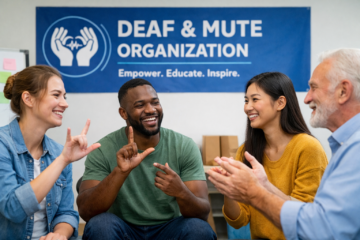
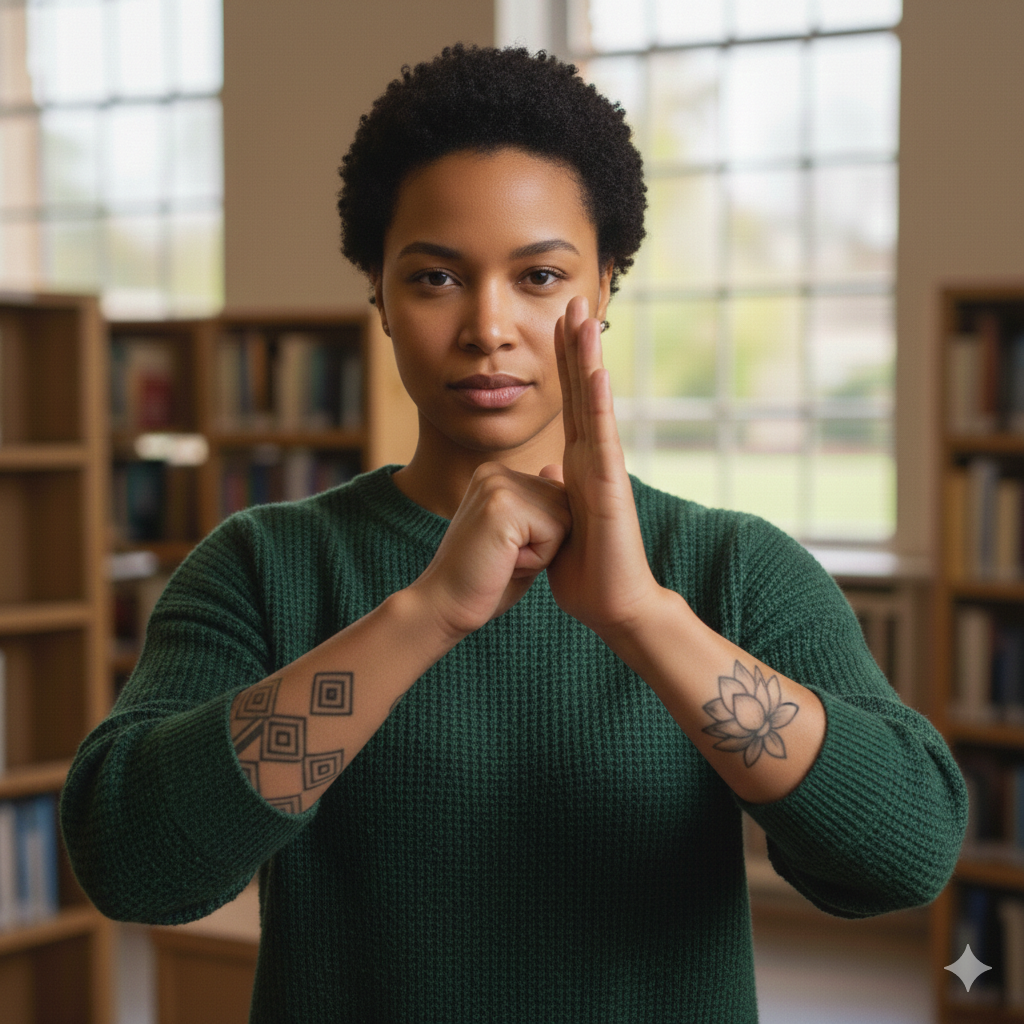
Deafness is often misunderstood as an inability. In reality, it is a different sensory experience. Communication within the deaf community is rich, expressive, and visually dynamic.
Sign language is a complete language with its own grammar and structure. Facial expressions and body movements carry emotional depth and clarity. Communication is intentional and powerful.
When society shifts from focusing on what is “missing” to recognizing what is “unique,” real empowerment begins.

Why Empowering the Deaf Community Matters
An inclusive society benefits everyone — not just one group. When deaf individuals have equal access to opportunities, communities grow stronger.
Empowering the deaf community leads to:
- Greater workforce diversity
- Stronger innovation
- More creative problem-solving
- Improved social awareness
- A more compassionate society
Inclusion drives growth.
Education: The First Step Toward Empowerment
Education is the foundation of independence and confidence. However, traditional classrooms often rely heavily on spoken instruction.
To truly focus on empowering the deaf community, educational systems must include:
- Sign language interpreters
- Captioned educational content
- Visual teaching strategies
- Accessible digital platforms
- Teacher training in inclusive methods
Online learning has also created new opportunities. Text-based communication, recorded lectures, and flexible formats reduce communication barriers.
When learning becomes accessible, students thrive.
Employment and Economic Independence
Financial independence is a key part of empowerment.
Today, deaf professionals are building successful careers in:
- Technology and software development
- Graphic design and creative media
- Data analysis
- Digital marketing
- Entrepreneurship
- Education and training
Remote work and digital communication tools have significantly reduced workplace barriers. Email, messaging platforms, captioned meetings, and collaborative software make communication smoother.
Empowering the deaf community in the workplace means focusing on skill, performance, and potential — not assumptions.

Technology as a Tool for Empowerment
Technology has transformed accessibility in recent years.
Important advancements include:
- Speech-to-text applications
- AI-powered captioning
- Video relay services
- Visual alert systems
- Assistive hearing technologies
These tools create independence in classrooms, offices, and public spaces.
Digital innovation plays a critical role in empowering the deaf community and promoting equal participation.
Breaking Social Barriers
Social misconceptions remain one of the biggest challenges. Some still assume that deaf individuals cannot lead teams, manage projects, or handle responsibility.
These stereotypes are outdated.
Across industries, deaf leaders are launching startups, competing internationally in sports, creating art, and influencing policy.
Empowerment happens when society replaces doubt with belief.
The Role of Families and Communities
Support systems matter.
When families learn sign language, encourage independence, and celebrate achievements, confidence grows. Community support groups and advocacy organizations provide mentorship and connection.
Empowering the deaf community begins at home and expands into society.
Building an Inclusive Future
True inclusion requires intentional action.
Here are simple ways to contribute:
- Add captions to digital content
- Learn basic sign language greetings
- Support inclusive hiring policies
- Promote accessibility in public events
- Treat deaf individuals with respect and equality
Accessibility should not be an afterthought. It should be a standard.
Redefining Empowerment
Empowerment is not about changing deaf individuals to fit society. It is about adapting society to include everyone.
A skilled programmer does not need hearing to write exceptional code.
A talented designer does not need sound to create visual masterpieces.
An entrepreneur does not need verbal fluency to build a successful business.
Empowerment means recognizing capability beyond stereotypes.
Conclusion
Empowering the deaf community is not just about accessibility — it is about equality, dignity, and opportunity.
When education becomes inclusive, workplaces become accessible, and society becomes aware, barriers begin to disappear.
The future belongs to communities that value diversity and inclusion. By empowering the deaf community, we create a stronger, more innovative, and more compassionate world for everyone.
Because empowerment is not charity — it is justice.