
Learn about Deaf & Non-Speaking individuals: meaning, causes, communication methods, daily challenges, education, careers, and how to support inclusion.
Understanding Deaf & Non-Speaking Individuals: Communication, Challenges & Inclusion
In conversations about disability and accessibility, the phrase “deaf mute” is still sometimes used. However, modern, respectful language prefers terms like:
✔ Deaf individuals
✔ Hard of hearing individuals
✔ Deaf & Non-Speaking individuals
✔ People with hearing and speech impairments
Language matters because it shapes perception, dignity, and inclusion.
This article explores who Deaf & Non-Speaking individuals are, the causes behind hearing and speech impairments, common misconceptions, communication strategies, and how society can create a more inclusive environment.
What Does “Deaf & Non-Speaking” Mean?
A Deaf & Non-Speaking individual is someone who:
🔹 Has partial or complete hearing loss
🔹 Has difficulty speaking or does not use spoken language
Important clarification:
❗ Not all Deaf people are non-speaking
❗ Not all non-speaking individuals are Deaf
❗ Many Deaf individuals can and do speak
Each person’s experience is unique. Who Are Deaf & Non-Speaking Individuals? Communication.
Causes of Hearing & Speech Impairments
1️⃣ Congenital (Present at Birth)
- Genetic conditions
- Infections during pregnancy
- Premature birth
- Birth complications
2️⃣ Acquired (Develop Later)
- Ear infections
- Injury or trauma
- Neurological conditions
- Exposure to loud noise
- Medical complications
Common Myths vs Facts
| Myth | Fact |
|---|---|
| Deaf people cannot communicate | They communicate effectively through multiple methods |
| Deaf = Non-Speaking | Many Deaf individuals speak |
| Limited career options | Diverse career paths exist |
| Cannot live independently | Many live fully independent lives |
Communication Methods


4
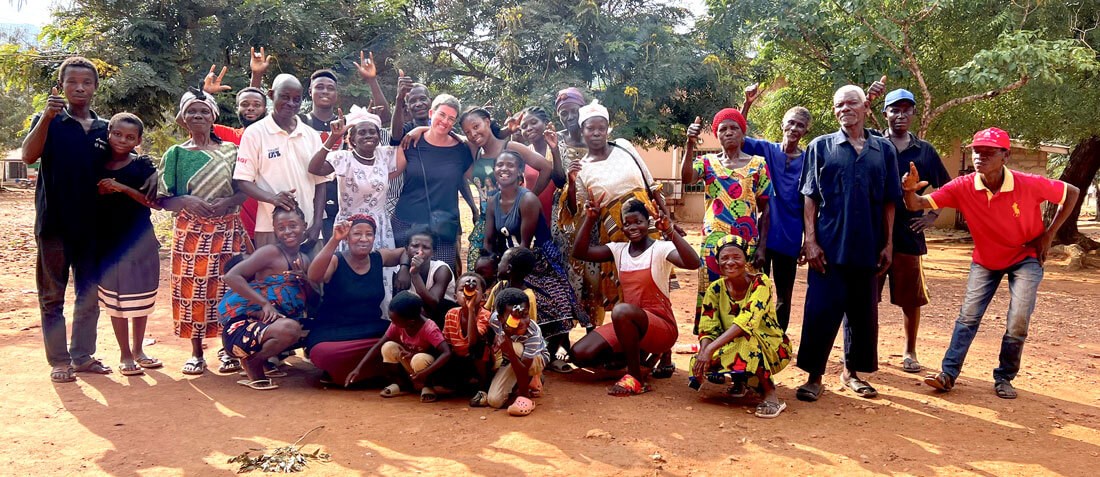
1️⃣ Sign Language
Sign language is a complete visual language using:
✔ Hand movements
✔ Facial expressions
✔ Body language
Different countries have different sign languages (ASL, ISL, BSL, etc.).
2️⃣ Lip Reading
Some individuals interpret speech by observing lip movements.
3️⃣ Written / Text Communication
- Chat / Messaging
- Notes
- Captioning
4️⃣ Assistive Technology
- Speech-generating devices
- Live captioning
- Video relay services
- Hearing aids / Cochlear implants
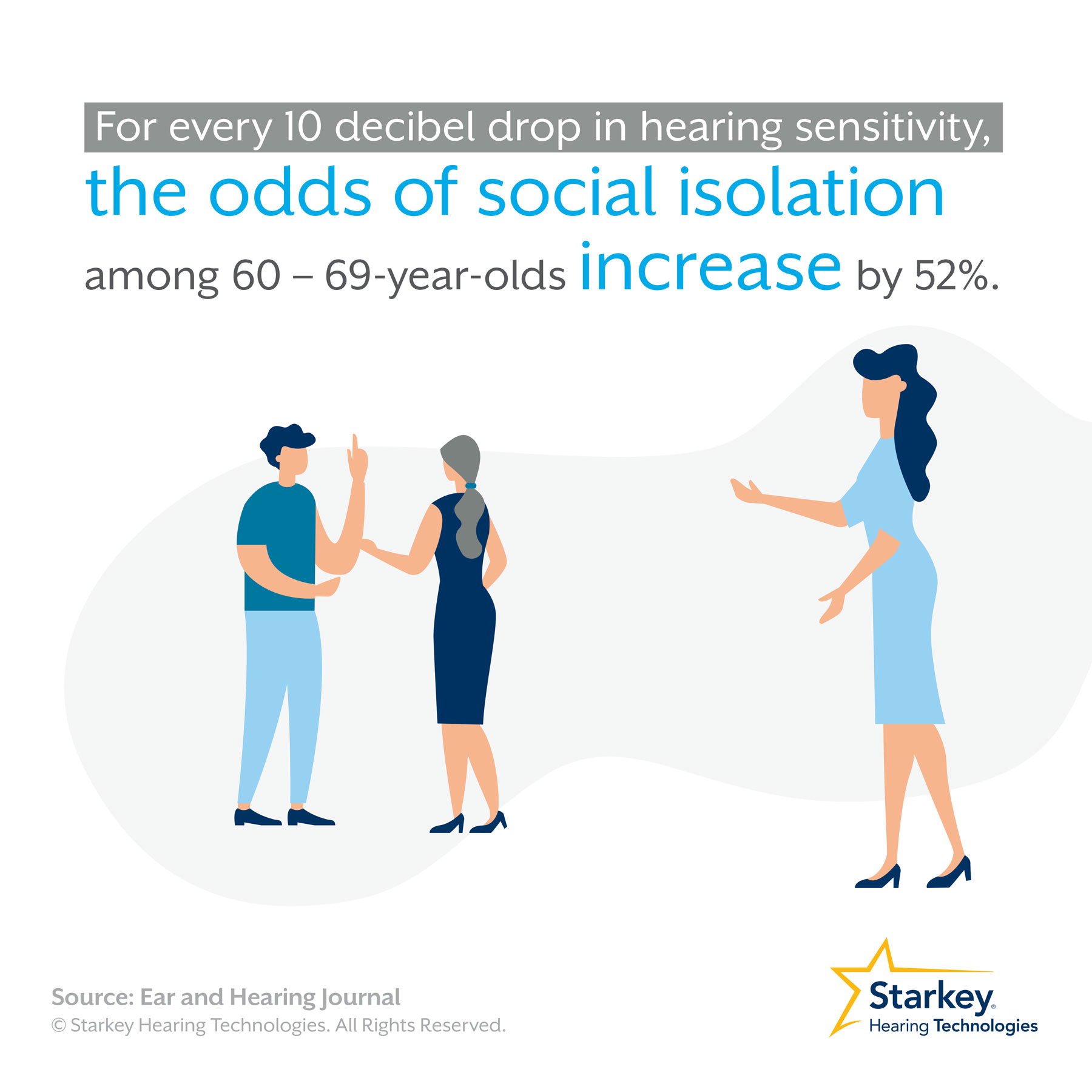
Daily Life Challenges

4
🔹 Communication Barriers
Misunderstandings and limited accessibility.
🔹 Education Barriers
Lack of trained interpreters, captioned content, inclusive teaching.
🔹 Workplace Barriers
Bias, limited accommodations, communication-heavy roles.
🔹 Social Barriers
Isolation, stigma, lack of awareness.
Career Possibilities
Deaf & Non-Speaking individuals thrive in fields such as:
🎨 Graphic Design
💻 Software / IT
📊 Data & Analytics
🎥 Editing / Animation
📸 Photography
🧵 Fashion / Crafts
🚀 Entrepreneurship
📚 Teaching Sign Language
Success depends on skills, opportunity, and accessibility — not limitations.
Role of Technology
Technology is transforming accessibility:
💡 Hearing aids
💡 Cochlear implants
💡 AI captioning
💡 Speech devices
💡 Communication apps
How Families Can Support
✔ Learn sign language
✔ Be patient
✔ Encourage independence
✔ Provide emotional support
✔ Avoid overprotection
How Society Can Help
🤝 Use respectful language
🤝 Improve accessibility
🤝 Support inclusive education
🤝 Offer equal employment
🤝 Raise awareness
Respectful Language Guide
Instead of “deaf mute”, consider:
✔ Deaf person
✔ Hard of hearing person
✔ Deaf & Non-Speaking individual
✔ Person with hearing & speech impairment
Conclusion
Deaf & Non-Speaking individuals are not defined by limitations, but by:
✨ Abilities
✨ Intelligence
✨ Creativity
✨ Resilience
✨ Potential
Inclusion begins with awareness, empathy, and accessibility.
✅ SEO Keywords (Use Naturally)
Deaf & Non-Speaking individuals
Hearing and speech impairment
Sign language communication
Disability inclusion
Communication accessibility
Deaf awareness
Assistive technology
📸 Additional Image Sets for Blog / Social Posts
🧏 Sign Language & Communication


4